
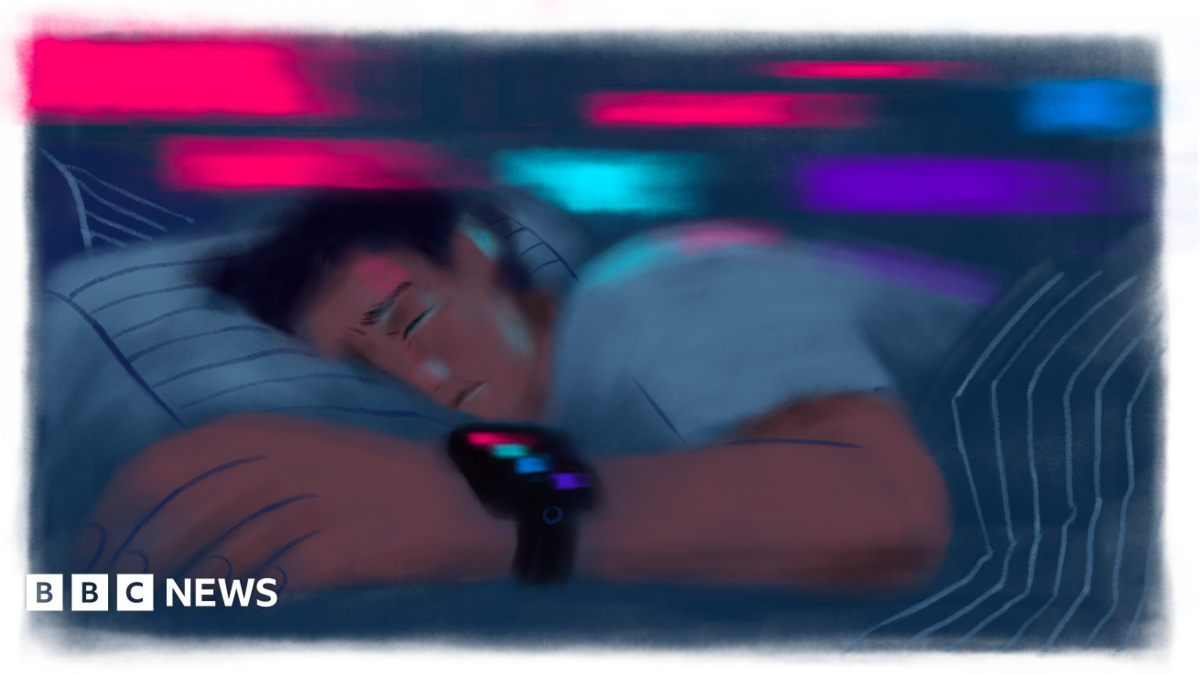
Hare says she’s noticed trackers causing anxiety among her patients.
“I’ve noticed more patients coming to me with data from various trackers, with lots of questions about sleep that… is probably contributing to their sleep difficulties,” she says.
Even though some have had medical tests with reassuring results, this hasn’t allayed their fears, she adds.
“It’s great that there’s more focus on sleep as part of wellness,” she adds. “But sleep just does not respond well to attempts to perfect it.”
One proposed lawsuit against Oura, filed last month in San Francisco, alleges that Oura rings are unable to accurately measure sleep quality and sleep stages, and instead rely on AI-generated estimates that have “a coin flip’s chance of being correct”.
In response, Oura told the BBC that it “stand[s] behind our science, research and accuracy claims”.
“We’re committed to clearly communicating what Oura measures, what it estimates, and how members should use that information,” the company added.




Leave a Reply