
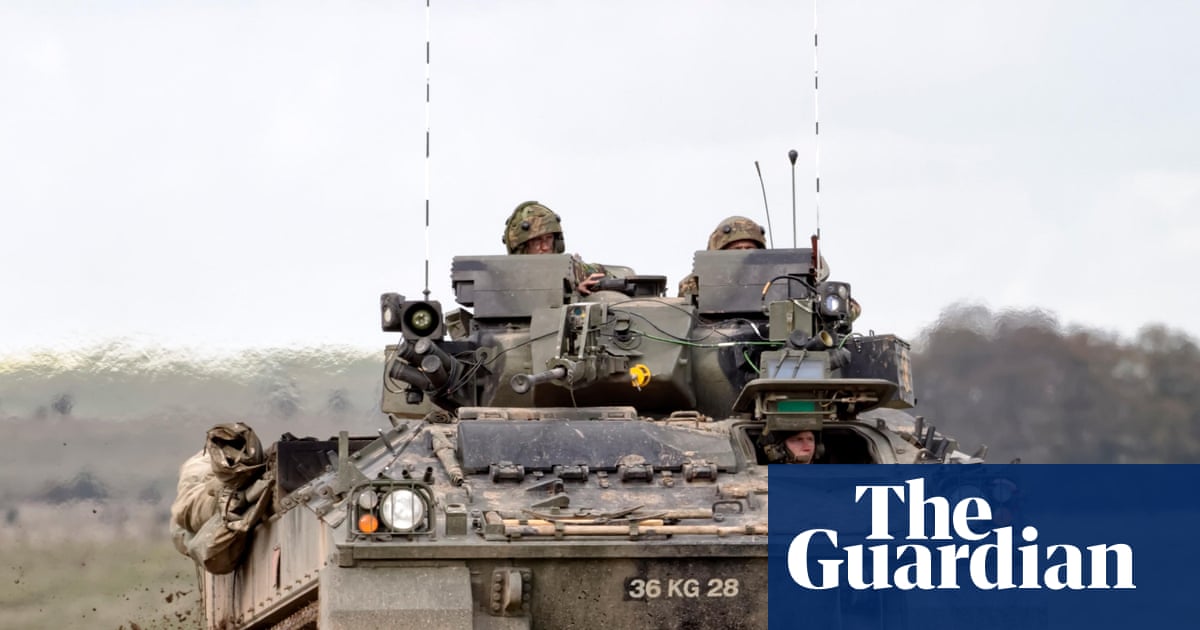
The EUâs ability to respond to a foreign invasion by 2030 remains in doubt due to a continuing reliance on the US and fragmented national defence systems, according to a report from its official auditor.
The European court of auditors (ECA) said the EU was much better prepared than before Russiaâs full-scale invasion of Ukraine of 2022, but achieving its goal of defence readiness by the end of the decade would be difficult.
âAchieving defence preparedness in the EU by 2030 remains challenging,â said Marek OpioÅa, an ECA member who led the review of the EUâs defence policy published on Thursday. âThere are still major difficulties such as fragmented national systems or industrial bottlenecks. We also still rely on the United States.â
Speaking to the Guardian, he stressed the EU could âstill make major progressâ if it sharply increased defence spending and rapidly expanded ammunition production.
Between 2020 and 2025, EU member states increased defence spending by 79%, a response to the Russian threat and a belated effort to meet Nato spending targets. In November 2024, the EU met its pledge of providing 1 million rounds of ammunition to Ukraine â eight months behind schedule.
The EU set the goal of defence readiness by 2030 last year, after intelligence services warned that Russia could be ready to wage a large-scale war in Europe around that time.
The blocâs financial watchdog said major difficulties had to be overcome to reach this target, defined by a senior auditor as âhaving strategic autonomyâ and âthe ability to independently sustain high-intensity warfareâ. The senior auditor said the EU was better prepared than 2019 when a similar review was conducted, but warned that fragmented national defence industries and âinsufficient cooperationâ between EU governments contributed to a risk of duplication in spending or persistent gaps in military capabilities.
Emblematic of the dysfunction â although not mentioned in the report â is France and Germanyâs decision to abandon a â¬100bn project to build a joint fighter jet, because the lead companies were unable to resolve disputes over leadership and control.
The report highlighted a possible tension between short-term battlefield needs and a âBuy Europeanâ policy that aims to reduce dependencies on foreign suppliers. Between February 2022 and June 2023, 78% of EU governmentsâ defence acquisitions were sourced outside the bloc, with the US alone representing 63%, according to one study cited by the ECA.
The senior auditor said purchases from the US went up after Russiaâs full-scale invasion of Ukraine âwhich was understandable because the EU needed to find capabilities that were available quicklyâ. The official added that âearly signs of improvement in that situationâ were visible, although the auditors did not have complete data to draw conclusions.
after newsletter promotion
The EU has set requirements that common defence spending should benefit domestic defence industries or those of closely-associated countries, such as Ukraine and Norway. But some flexibilities have been allowed where Europe is unable to produce critical supplies in time.
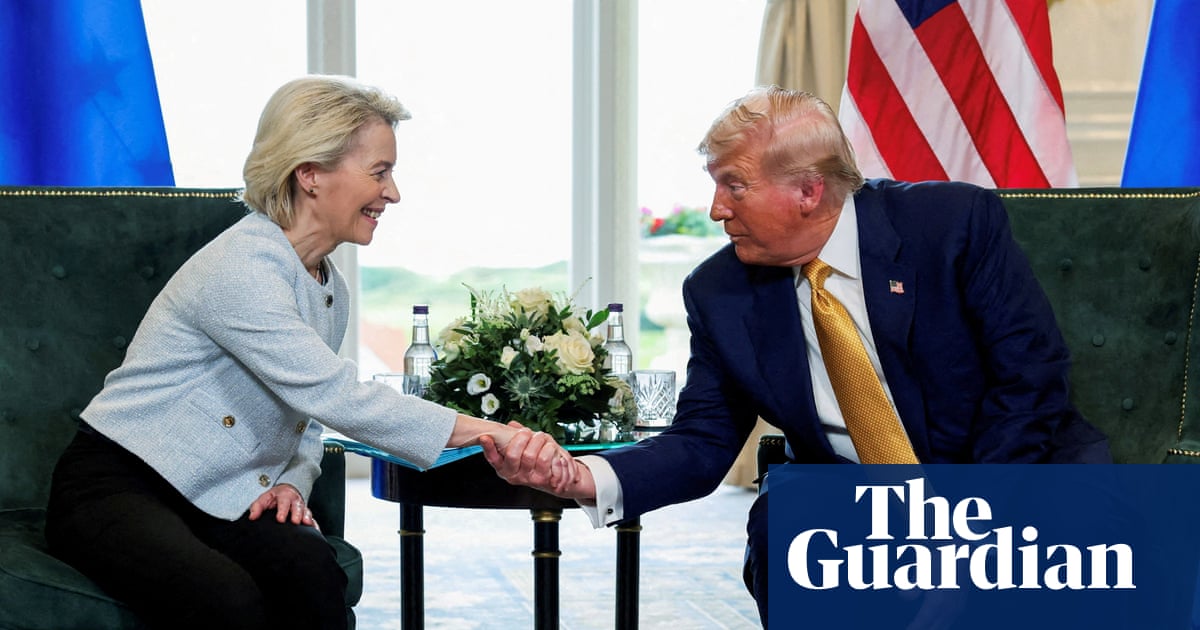
After a brutal summer of deadly Russian missile and drone attacks, this week Ukraine asked for an exemption from Buy European procurement rules to acquire US-made Patriot interceptors using the EUâs â¬90bn support loan. The European Commission president, Ursula von der Leyen, said on Wednesday that Ukraine had requested funding âworth several billion eurosâ for air defences, including Patriot air-defence systems. A commission spokesperson said Ukraineâs request for Patriot interceptor missiles âwould require a derogationâ from rules requiring majority European content in military purchases under the loan. âThe final say is with the member states and of course our hope would be that this would soon be granted,â the spokesperson said.
The senior auditor said sometimes âit may make senseâ to buy outside âwhen you have a short-term urgent needâ. The person added: âEven if you buy something that you donât have in-house, you [should] always have a plan how to develop that critical capacity in the long-term within the European Union.â











Leave a Reply