
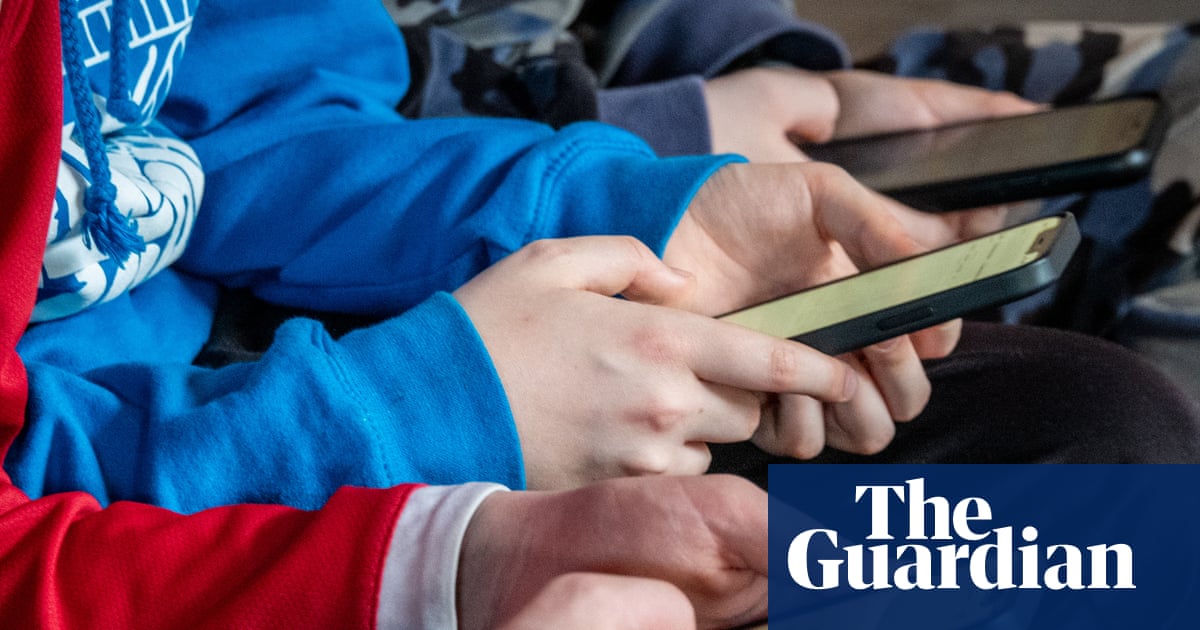
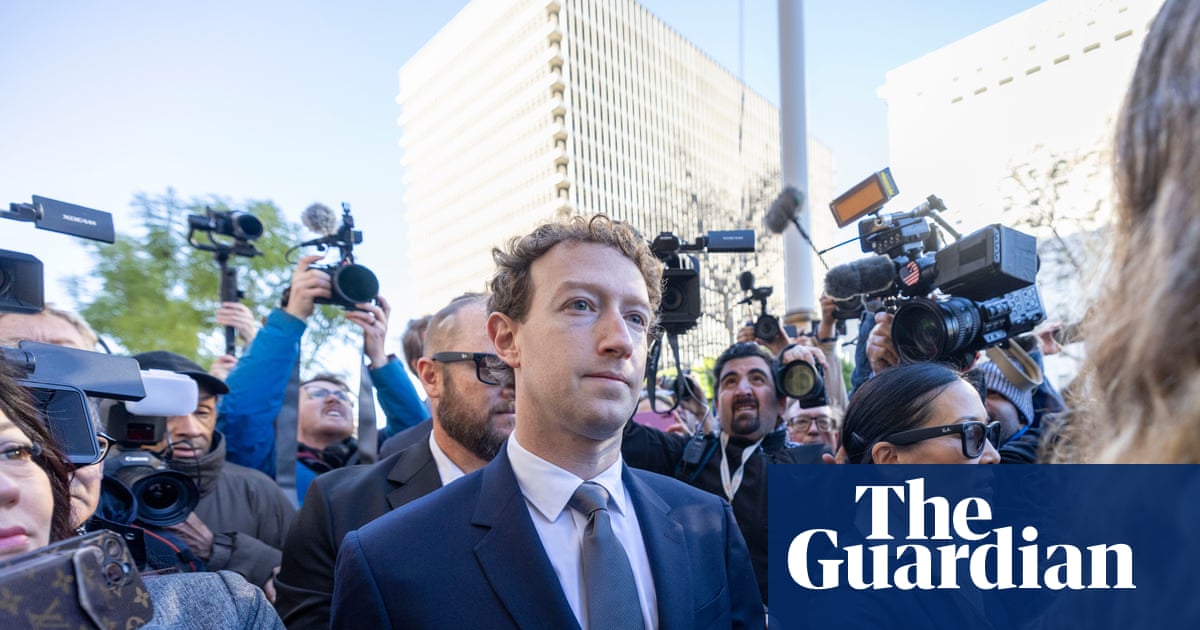
Metaâs agreement to change how teenagers use its social networks marks a major turning point for the US tech giant, setting a precedent that could significantly reshape how other social media operates in the coming years.
Meta agreed to substantial alterations to Instagram and Facebook on Wednesday as part of a settlement to end a landmark lawsuit. Dozens of US states had accused it of addicting and harming children with dangerous products. The company also agreed to pay up to a combined $18bn over a decade to several US states and territories involved in the suit.
The changes may be powerful enough to alter teensâ behavior and curb social mediaâs worst ills, or they may not, but the attorneys general did what the US Congress never has: compel a social media company to change its operations to protect children.
Metaâs vow to rework how its social networks operate by default on a level that parents and children will notice is a major concession. It is the first time in the US that Meta has been forced to change key features of the experience of its social networksâ everyday users.
Meta agreed to establish safeguards for teenage users, whose ages the company will be obligated to verify. That includes a daily usage limit of two hours, blocking social media use at night, disabling notifications during school hours and a ban on displaying âlikesâ.
The new safety features will be turned on by default, a powerful tweak and a change from Metaâs previous opt-in approach to teenage safety and parental control. The settlement repeats again and again the word âdefaultâ when describing injunctive measures.
The amount of money is the highest-ever financial payment by a tech firm in the US, but does not pose significant threats to Metaâs business. The attorneys general had originally estimated damages of about $200bn, equal to the companyâs entire revenue in 2025. Metaâs own yearly spending dwarfs the settlement amount. It has told investors that it will make investments in AI worth at least $130bn this year.
Financial damages were not the statesâ primary objective in this suit. Instead, it was consequential changes to the way Metaâs platforms operate.
âThis is a down payment, if you will, on protecting our kids,â Rob Bonta, the attorney general for the state of California, said in a press conference on Wednesday. âIt is transformative. It is a watershed moment. It is a milestone mark.â
For its part, Metaâs chief legal officer, CJ Mahoney, said the company was âpleased to announceâ the agreement.
The changes build on others Meta has introduced in recent years in response to concern over young peopleâs wellbeing, including the introduction of dedicated teen accounts in 2024, a new product the company touted at trial. The attorneys general filed their suit against the company the previous year, and Meta may have debuted Teen Accounts to avert disaster in court.
Bonta said during the press conference that Metaâs prior teen safety tools were essentially ineffective.
âThey seem to be performative and superficial and pretextual in response to our litigation,â Bonta said. âThey were essentially safeguards that were easily overridden by a childâs own swipe of the finger.â
after newsletter promotion
In the settlement agreement, the attorneys general pushed the company to do more.
In a binary viewing, the settlement is a victory for the states. How much of a win it is will be determined by history, but in the present, the attorneys general achieved their aim, forcing the company to take measures to protect young people in the US.
The company is putting the agreement forward as a precedent for other social media companies to follow. Faced with new handicaps, it is cajoling competitors such as TikTok and YouTube to adopt the same measures.
âThis framework will only work if all our peers join us,â Metaâs Mahoney said. âBecause teens move fluidly across dozens of apps, we need an industry-wide solution.â
It might not have to do much convincing. Bonta indicated in a press conference that he and other statesâ lawyers were in talks with other social media companies about also making changes.
âMostly what needs to be done is getting similar protections across the industry with TikTok, with YouTube, with Snap,â Bonta said. But, he added, âMeta is a major player.â











Leave a Reply